


Feeding System Wire Rope
- High resistance to the constant weight and pressure of feed lines
- Resistance to rust, moisture and adverse farm conditions
- Good flexibility for passing through pulleys and wheels
- Improved safety and reduced risk of feed lines breaking or coming loose
- Easy installation and full compatibility with various winches and ceiling pulleys
Description
Feeding System Wire Rope
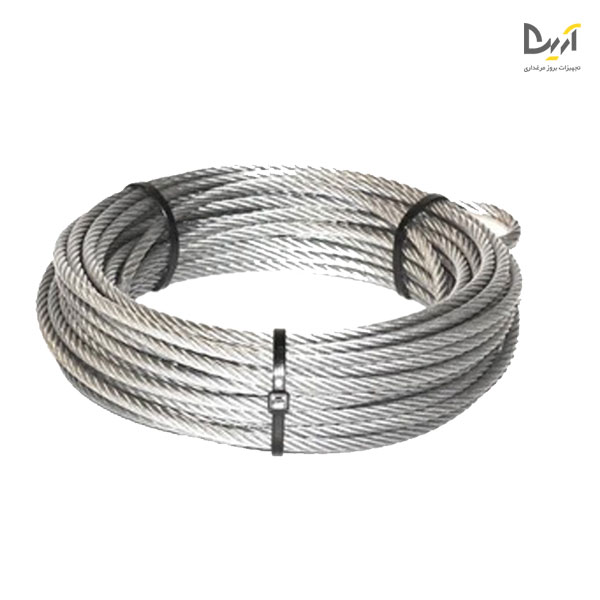
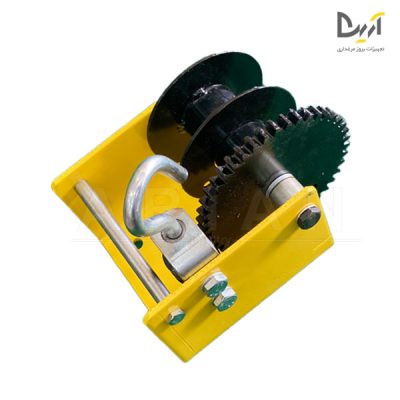
Feeder wire rope is a key component in the suspension system for feeding and drinking lines in poultry houses. It transfers force from the winch to the feeder pipes to raise and lower them. Its high strength and suitable flexibility make it ideal for demanding farm conditions and high humidity. Automatic feeding systems require a ceiling winch to adjust the height of feeding lines as poultry grow. The winch transfers pulling force through the wire rope to the entire system, moving the feeders vertically. Smooth, safe operation of the feeding system is impossible without standard, durable wire rope. Poultry wire rope used to connect nipple drinkers and feeders is made of steel with a hemp-fiber core. Poultry wire rope has low tensile strength because it is not used for lifting purposes; it is actually a means of connecting the components of specialized poultry machinery. Poultry wire rope used to connect nipple drinkers and feeders is made of steel with a hemp-fiber core. Poultry wire rope has low tensile strength because it is not used for lifting purposes; it is actually a means of connecting the components of specialized poultry machinery.
Feeding line wire rope purchase and price
The price of a ceiling-mounted feeder winch varies according to its operation (manual or electric), load capacity, housing material, manufacturer and technical features. This is an important and practical component in Poultry feeding system and should be selected according to the type of poultry house, feeding line weight and system design. Considering its high efficiency and numerous technical capabilities, the ceiling-mounted feeding line winch is very cost-effective and an economical investment for any farm. By allowing easy adjustment of feeding line height, this equipment plays a key role in optimizing feeding and reducing labor costs. Arian Poultry Equipment offers a diverse range of high-quality, reasonably priced ceiling winches, making purchasing possible for poultry farmers at all scales. For more information about technical specifications, choosing the most suitable winch and specialist advice, you can contact our experts in person or by telephone.
Poultry wire rope technical specifications
Wire rope is an industrial product with varied forms, complexities and technical specifications, used in different shapes and materials across industries. Poultry wire ropes are made of steel. They are available both in 1000-meter lengths on sturdy wooden reels and sold loose by the meter, and usually have a galvanized surface coating. In most cases, poultry wire rope is selected with a hemp core; to reduce the final cost, a 7-ply hemp version may even be used. Poultry wire rope is often used in smaller sizes of 6 and 8 mm. The wire rope used on poultry farms is steel with a hemp core, manufactured and supplied in galvanized form. Poultry wire rope commonly has a 12×6 construction and is used in sizes from 1.5 to 12 mm. The most widely used sizes are 5 and 6 mm.
Introduction to poultry wire rope and its applications
As most industries become mechanized, poultry farming has also adopted a range of modern devices for supplying water and feed to chicks, chickens and other poultry, aiming to improve performance, meet nutritional needs, maximize production and maintain food security. Poultry wire rope connects nipple drinkers, feeders and other equipment used on the farm. These connections make equipment and machinery easier to use and further mechanize the farm. Poultry houses are often very large, so operating each device individually would be difficult and time-consuming. Devices are therefore connected in series using wire rope and controlled with an electric motor, an electric winch or a manual winch.
Why is wire rope used in poultry farms?
Reasons for using wire rope to connect equipment on poultry farms include high strength and tensile capacity, good structural integrity, suitable durability, and resistance to rust caused by direct moisture or indirect moisture as water vapor in the poultry house, polluted air, impact damage and similar factors. Its useful service life is another reason for using wire rope. The benefits of using standard wire rope in the feeding system include:
-
High resistance to the constant weight and pressure of feed lines
-
Resistance to rust, moisture and adverse farm conditions
-
Good flexibility for passing through pulleys and wheels
-
Improved safety and reduced risk of feed lines breaking or coming loose
-
Easy installation and full compatibility with various winches and ceiling pulleys
Main wire rope
No. 5 wire rope
- Wire rope in 5 and 6 mm diameters
- Weight: 95 g per meter
- 7*7 wire rope
- Without PVC coating (Coated wire ropes interfere with the operation of the central ceiling winch and cause friction against plastic pulleys).
- Galvanized coating
Suspension wire rope
- 3 mm diameter
- Weight: 45 grams per meter
- Without PVC coating (coated wire rope interferes with the main ceiling winch’s operation and causes friction with plastic pulleys).
Important considerations when buying and maintaining feeder wire rope
-
Match diameter and strand construction to the feeding system’s weight: an excessively thin wire rope may wear over time and risk breaking.
-
Check the wire’s galvanizing quality: a complete hot-dip galvanized coating performs better in humid poultry houses.
-
Regularly inspect wire ropes for wear, deterioration, or corrosion: Worn ropes must be replaced immediately.
-
Use standard wire rope clips for secure attachment to the system (U Clamp or crimped clip).
Reviews
There are no reviews yet.