


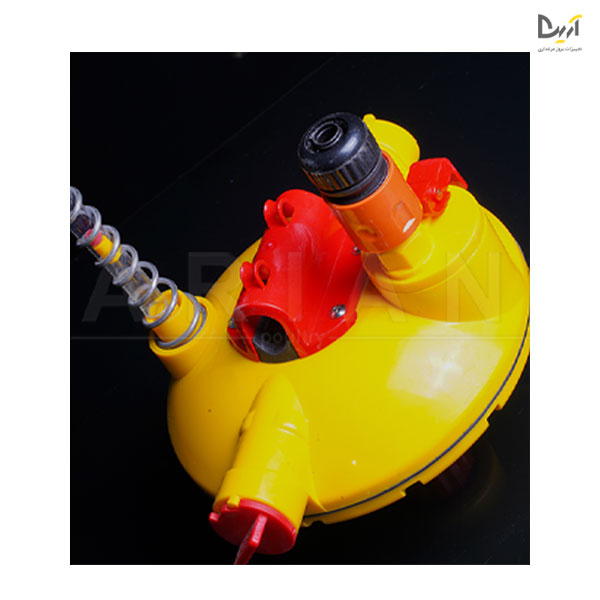
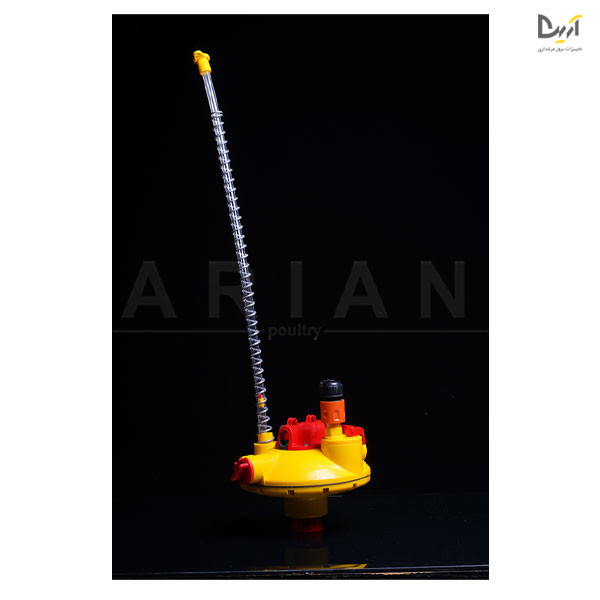
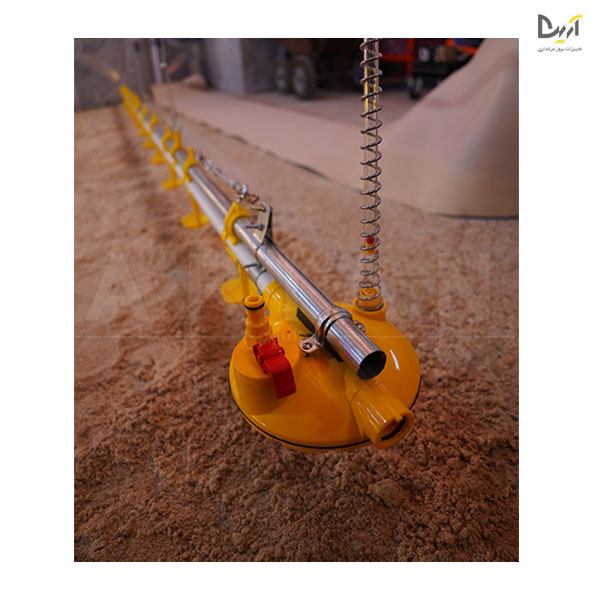
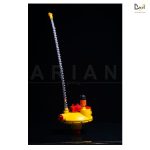
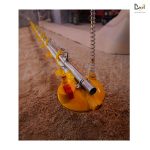
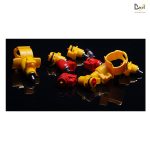
Nipple drinker pressure regulator
- Regulator equipped with a bypass valve for flushing the drinking line and extending the system’s service life
- Can be used at the start, end or middle of a nipple line
- Controlled water delivery under different conditions
- Affordable price relative to its functionality
- Extremely easy installation and use
- Equipped with a level indicator tube
Description
Regulator (pressure reducer)
The nipple drinker pressure regulator is a vital component in systems for Automatic poultry drinker for poultry, particularly in broiler, layer and other bird rearing houses. The nipple drinker pressure regulator (Nipple Drinker Pressure Regulator) is a device used to control and adjust the pressure of water entering nipple lines in poultry drinking systems. Nipples are designed to supply water precisely and efficiently to poultry and require suitable water pressure; excessively high or low pressure disrupts their operation. This valve is a major help during washing and vaccination. Excessive pressure in the lines wastes water and wets the litter, while insufficient pressure prevents chicks from receiving enough water. The nipple drinker pressure regulator must therefore be adjusted according to flock age. Turning the adjustment screw in either direction allows you to observe increased or decreased line water pressure on the regulator’s water gauge. Ideal pressure for nipple systems usually ranges from 15 to 30 centimeters of water column (0.15 to 0.3 bar), depending on bird age and type. Pressure regulators help maintain this value precisely.
Buy nipple drinker pressure reducer and price
The price of a nipple drinker pressure regulator is affected by various factors. Understanding them can help you make a better and more cost-effective choice. The most important factors affecting its price include:
Material and manufacturing quality are among the main factors determining a pressure regulator’s price. Regulators made from high-quality raw materials such as dense plastic, pressure-resistant PVC, or special alloys generally cost more but offer better durability and performance. The brand and manufacturer also play an important role in the price of a nipple drinker pressure regulator. Reputable domestic and international brands with a strong record in poultry drinking equipment generally price their products higher because customers trust their quality and after-sales service. Design and technology can also affect price. Regulators with more precise settings, pressure indicators, or replaceable parts generally cost more. Pressure tolerance and water flow per unit of time are other price factors. Regulators capable of handling higher pressure or greater water delivery are often designed for larger houses and cost more. Finally, external factors such as exchange-rate fluctuations for imported regulators, transport costs, and market supply and demand can raise or lower prices. With advice from our specialists, you can obtain the highest-quality pressure regulator at the lowest price. To purchase or order this product, contact us using our telephone numbers or other contact methods listed at the bottom of the Arian Manufacturing Industries website.
Components of the nipple drinker pressure reducer
- Main body: usually made of dense plastic or pressure-resistant PVC.
- Pressure adjustment screw: for manually adjusting water pressure in the nipple line.
- Water inlet and outlet: standard connections for easy installation on water pipes.
- Internal valve and diaphragm: automatically switch water flow on and off according to the pressure setting.
- Transparent cover or pressure indicator: for easy checking of the device’s operating status.
Main function of the regulator
- Water pressure regulation: prevents high-pressure water from entering the nipple line, which can cause leaks, water spillage and wet litter.
- Uniform pressure: creates balanced, stable pressure throughout the nipple line to ensure equal access to water for all birds.
- Improved drinking system efficiency: better nipple performance optimizes water consumption and prevents waste.
Benefits of using a poultry pressure regulator
- Controlled water delivery under different conditions
- Extremely easy installation and use
- Affordable price relative to its functionality
- Can be used at the beginning, end and middle of the nipple line.
- Regulator equipped with a bypass valve for flushing the drinking line and extending the system’s service life
- Equipped with a level indicator tube
Flushing capability improves production results, reduces labour requirements, increases the effectiveness of medication and vaccination programmes, and extends the nipple drinking system’s service life.
Important regulator usage tips
Reviews
There are no reviews yet.